
Mark Goering
09/17/2025
The synagogue buzzes with anticipation. Word has spread about this new teacher and the small band of fishermen who’ve left their nets to follow Him. Now Jesus stands before them, and something is different. His words carry weight, authority that cuts through religious formality and strikes directly at hearts.
The tension crackles in the air. The scribes shift uncomfortably as their careful traditions seem to dissolve in the presence of raw spiritual authority. The crowds lean in, drawn by teaching that breaks through centuries of dusty interpretation to expose truth with startling clarity. Even Jesus’ newly called disciples watch with widening eyes, perhaps wondering what they’ve gotten themselves into by following this extraordinary teacher.
Then the moment explodes.
A man’s tortured cry shatters the reverent silence. “What do you want with us, Jesus of Nazareth? Have you come to destroy us? I know who you are—the Holy One of God!”
In an instant, the controlled environment of religious tradition collides with raw spiritual reality. The demon-possessed man writhes before them all, creating a crisis point that will force everyone present to wrestle with fundamental questions about power, authority, and the very nature of God’s kingdom advance.
This scene captures a tension that runs through every generation of kingdom work: How do we navigate the relationship between supernatural power and faithful process? When God moves dramatically, how do we steward that movement while remaining grounded in reproducible patterns? What happens when divine authority breaks through our carefully managed systems?
The Context: Where Authority and Opposition Meet
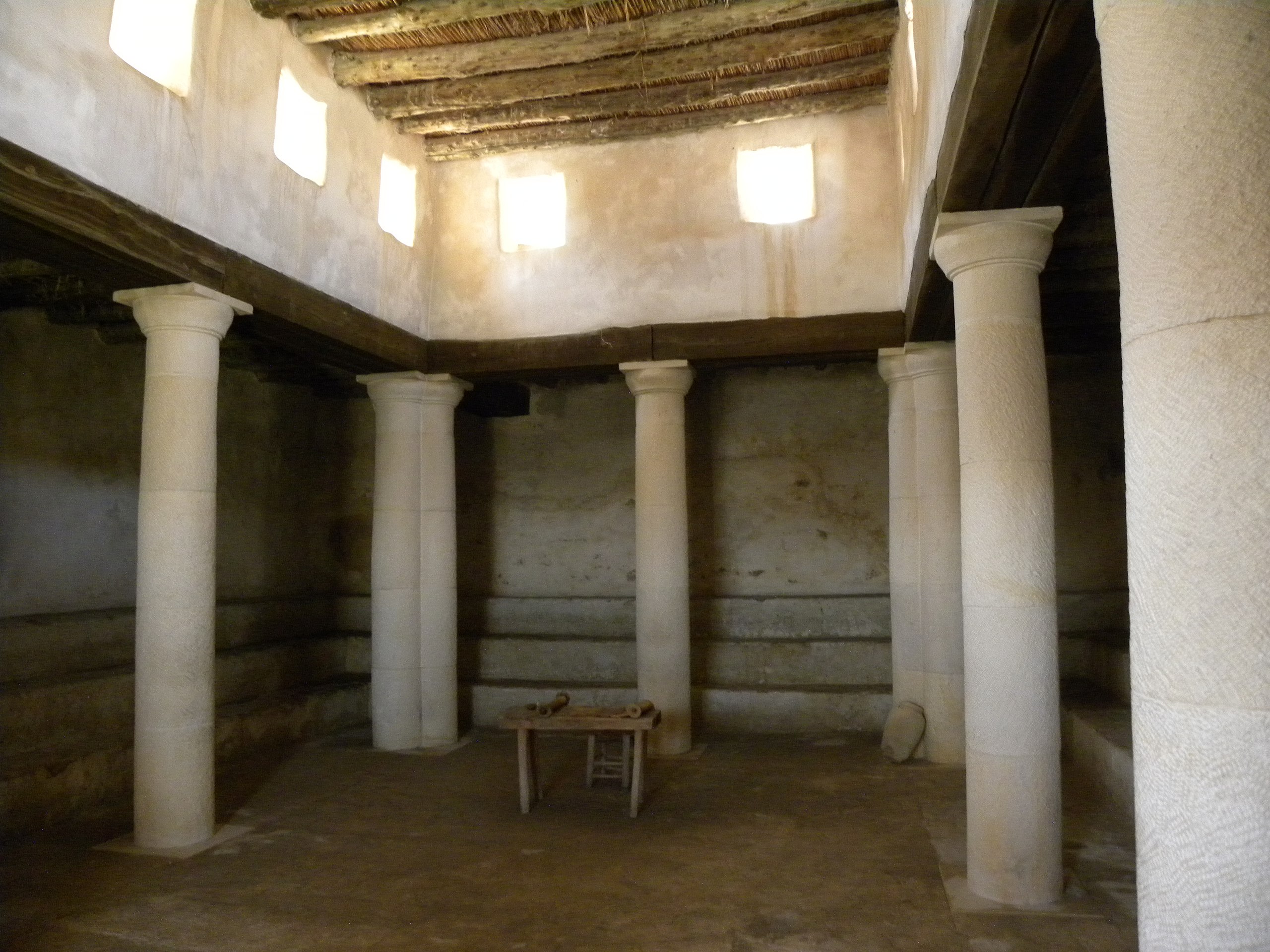
Jesus’ choice to enter the Capernaum synagogue wasn’t random. Having just called His first disciples from their fishing nets, He leads them into the heart of religious establishment. This crossroads town, positioned on major trade routes, represents both opportunity and challenge. The synagogue provides a platform where biblical knowledge meets spiritual hunger, but it’s also where entrenched religious systems resist authentic divine authority.
The setting reveals multiple layers of tension. The scribes operate from carefully controlled interpretation, building influence through elaborate commentary that often obscures direct engagement with God’s truth. Their authority flows from institutional position rather than divine relationship. They’ve created systems designed to manage spiritual experience while maintaining their gatekeeping role.
Jesus enters this space carrying something entirely different. His recent baptism and wilderness testing have confirmed His identity and mission. His calling of disciples has begun forming a new community. Now He steps into the synagogue not as another interpreter of tradition, but as one who embodies the very authority Scripture points toward.
The disciples, still carrying assumptions about how religious authority should work, watch this collision unfold. They’ve followed Jesus based on His simple call, but they’re about to witness something that challenges every category they understand. Their formation as kingdom leaders begins here, observing how divine authority actually operates when it encounters both spiritual need and religious opposition.
The Key Moment: Faithful Response to Crisis
They went to Capernaum, and when the Sabbath came, Jesus went into the synagogue and began to teach. The people were amazed at his teaching, because he taught them as one who had authority, not as the teachers of the law.
Mark 1:21-22
Jesus begins not with supernatural demonstration but with faithful proclamation. His teaching carries authority because it flows directly from intimate alignment with the Father’s heart and Word. This isn’t calculated strategy but prophetic obedience—speaking what He hears the Father speaking, declaring what He sees the Father revealing.
The contrast proves stark. While scribes quote authorities and hedge their interpretations with careful qualifications, Jesus speaks with the directness of one who knows truth firsthand. His words cut through layers of religious tradition to expose God’s heart with startling clarity.
Then comes the interruption:
Just then a man in their synagogue who was possessed by an impure spirit cried out, ‘What do you want with us, Jesus of Nazareth? Have you come to destroy us? I know who you are—the Holy One of God!’
Mark 1:23-24
This moment forces an immediate choice. The carefully controlled synagogue environment faces supernatural disruption. Religious tradition collides with desperate spiritual need. How will Jesus respond?
Notice what He doesn’t do. He doesn’t turn this into a teaching moment about demonology. He doesn’t use the interruption to establish His credentials or gather followers through spectacle. He doesn’t even engage in extended conversation with the demonic forces.
Instead, Jesus responds with the same faithful directness that marked His teaching:
‘Be quiet!’ said Jesus sternly. ‘Come out of him!’
Mark 1:25
His response flows from the same source as His authoritative teaching—complete alignment with the Father’s will. He sees what the Father is doing and joins that work immediately. The supernatural power that flows through His words emerges naturally from the same relationship that gives His teaching its authority.
Jesus’ Response: Authority Grounded in Relationship
Jesus’ handling of this crisis reveals something profound about the nature of kingdom authority. His power doesn’t operate independently from His message; both flow from the same source—intimate relationship with the Father expressed through faithful obedience.
The demon recognizes this immediately: “I know who you are—the Holy One of God!” Yet Jesus silences this testimony not because it’s inaccurate, but because He won’t allow His authority to be established through demonic validation. His power serves His mission, not His reputation.
Watch the sequence carefully. Jesus commands with simple directness: “Be quiet! Come out of him!” The authority in His words proves absolute. Mark tells us the demon
…shook the man violently and came out of him with a shriek
Mark 1:26
The power encounter serves its purpose—liberation—without becoming a platform for personal aggrandizement.
This response establishes crucial DNA for how kingdom authority operates:
Authority flows from relationship, not position. Jesus’ power doesn’t depend on institutional credentials or careful methodology. It emerges naturally from His alignment with the Father’s heart and purposes.
Power serves mission, not platform. The deliverance happens for the man’s sake and as demonstration of kingdom reality, not to establish Jesus’ reputation or gather followers.
Faithful response creates space for divine power. Jesus doesn’t manufacture the moment or manipulate circumstances. He simply responds faithfully to what the Father is doing, and divine power flows naturally through that obedience.
Integration of word and deed reveals kingdom reality. The same authority that gives His teaching its power also enables supernatural breakthrough. Truth and power work together to reveal God’s character and purposes.
The crowd’s reaction reveals both the impact and the challenge:
The people were all so amazed that they asked each other, ‘What is this? A new teaching—and with authority! He even gives orders to impure spirits and they obey him!’
Mark 1:27
They focus on the spectacular aspects—the power encounter that breaks their categories. But Jesus has demonstrated something far more significant: how divine authority actually operates when someone is completely aligned with God’s purposes.
The Disciples’ Understanding: Learning to Navigate Authority
For Jesus’ newly called disciples, this synagogue encounter becomes their first masterclass in kingdom authority. They observe patterns that will shape their own future ministry, though they don’t yet understand the full implications of what they’re witnessing.
Their perspective carries assumptions from their religious background. They expect authority to operate through institutional channels, teaching to follow rabbinic patterns, and power to be carefully managed through religious protocols. What they observe in Jesus challenges every category they understand.
First, they see authority that flows from relationship rather than position. Jesus doesn’t quote authorities or establish His credentials through traditional means. His words carry weight because they emerge from intimate knowledge of God’s heart and purposes. This kind of authority can’t be manufactured through study or position—it flows from faithful alignment with divine will.
Second, they witness power that serves purpose rather than platform. The demon’s recognition of Jesus’ identity becomes an opportunity for silencing rather than validation. The healing serves the man’s need and demonstrates kingdom reality without becoming a spectacle for gathering followers. This restraint challenges assumptions about how spiritual authority should be leveraged.
Third, they observe integration of teaching and demonstration that reveals unified kingdom reality. The same source that gives Jesus’ words their authority also enables supernatural breakthrough. Truth and power work together naturally when someone is completely aligned with God’s purposes.
Yet their formation is just beginning. They don’t yet understand how this authority can be reproduced, what it costs to maintain such alignment, or how to navigate the tensions that arise when kingdom reality confronts religious systems. These lessons will unfold through months of observing Jesus’ faithful responses to various challenges.
The pattern they’re beginning to observe—faithful obedience creating space for divine authority—will become foundational for their own ministry. But first they must learn through “withness,” watching how Jesus consistently chooses prophetic faithfulness over religious accommodation, divine purposes over personal advantage.
The Kingdom Principle: Faithful Obedience Creates Space for Divine Authority
The deeper principle emerging from this encounter transcends any single moment or strategy. When someone is genuinely aligned with God’s heart and Word, their faithful obedience creates natural space for divine authority to flow and multiply.
This principle challenges common assumptions about how spiritual power operates. We often think in terms of methods to master or techniques to deploy. But Jesus demonstrates something more fundamental: authority flows from relationship, and power emerges naturally when someone is completely aligned with divine purposes.
Consider the implications:
Faithful proclamation prepares ground for supernatural demonstration. Jesus’ authoritative teaching creates the context where divine power can manifest naturally. Truth and power work together because they flow from the same source—intimate relationship with the Father.
Immediate obedience allows divine authority to address immediate need. Jesus doesn’t hesitate or strategize when confronted by the demoniac. He responds faithfully to what the Father is doing, and power flows through that obedience to bring liberation.
Authentic authority naturally reproduces itself. The disciples observe patterns they can learn and apply. Not because they can copy Jesus’ methods, but because they can embrace the same faithful alignment that enables divine authority to flow.
Prophetic faithfulness challenges religious systems while serving kingdom purposes. Jesus’ approach threatens institutional control while revealing God’s heart for genuine transformation. The tension isn’t incidental but inevitable when divine authority encounters human systems.
This principle connects directly to the “muddy boots” approach to kingdom advance. Rather than managing spiritual power from safe distance, Jesus engages directly where authority is needed most. His willingness to enter the synagogue, confront demonic opposition, and speak truth that challenges religious assumptions demonstrates the kind of frontline engagement that creates space for kingdom multiplication.
The pattern remains available to every generation: faithful obedience to what God is actually doing creates natural space for divine authority to flow and multiply through ordinary people in extraordinary ways.