
09/06/25
12 min
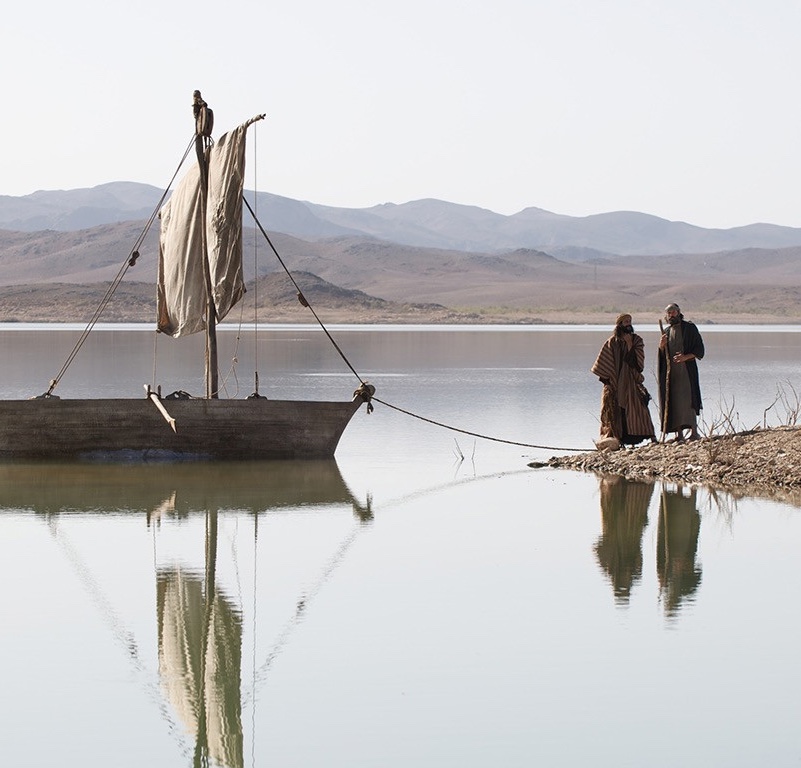
Picture yourself standing on the shores of Galilee, watching a scene unfold that would perplex even the savviest modern leadership consultant.
The most influential figure in human history has just launched His public ministry—but He’s about to make a decision that challenges everything we think we know about building movements and creating lasting change.
The air is electric with anticipation.
Jesus has arrived in Galilee with a message that’s drawing crowds and capturing attention: “The time has come. The kingdom of God has come near. Repent and believe the good news!” (Mark 1:15). His words resonate with ancient prophecies and present hopes, promising the dawn of a new era. The crowds are growing. The momentum is building. Everything points to this being the perfect moment to maximize reach and impact.
But then something unexpected happens.
Instead of leveraging this momentum to reach even larger audiences, Jesus does something that might seem like a strategic misstep. He turns away from the growing crowds and focuses His attention on four ordinary fishermen: Simon, Andrew, James, and John. No religious credentials. No influential connections. Just calloused hands and weathered boats.
What could Jesus see that we might be missing?
This moment captures a tension that still echoes through every ministry and leadership context today. On one side, we feel the urgent pull to reach as many people as possible—after all, doesn’t the scale of the need demand broad, immediate action?
Yet here’s Jesus, at the very launch of His ministry, deliberately narrowing His focus to a handful of individuals.
The questions start multiplying: Why would the Son of God, with limited time on earth and a world-changing message to share, invest so heavily in just four people? What does this tell us about the nature of Kingdom impact?
And perhaps most provocatively—what if our modern obsession with reaching the maximum number of people as quickly as possible is actually working against the type of lasting change we hope to create?
As we dig deeper into this story, we’ll discover something surprising: Jesus wasn’t choosing between broad impact and deep investment—He was revealing a pattern of Kingdom multiplication that transcends this apparent dichotomy. His approach suggests that the most powerful movements don’t spread through mass communication alone, but through the careful development of transformed lives that can transmit both message and method to others.
This principle raises intriguing possibilities for our own contexts.
What if the path to broader impact sometimes requires us to narrow our focus? What might happen if we viewed discipleship not as a program to manage but as a pattern to multiply? And how might this reshape our understanding of success in ministry?
These aren’t just theoretical questions.
As we’ll see, they touch on practical challenges faced by every leader trying to create lasting impact: How do we balance the urgent need for broad proclamation with the patient work of developing devoted followers? When do we go wide, and when do we go deep? The answers lie in understanding the revolutionary pattern Jesus established on those Galilean shores—a pattern that would ultimately transform not just four fishermen, but the entire world.
Jesus Sowed Broadly And Invested Deeply
His approach was elegantly simple: select a target geography, saturate it with broad gospel proclamation, and pour into those whose actions of obedience and posture as learners mark them as potential multipliers of both message and method.
The Son of God, launching a movement that would transform the world, doesn’t start with a grand inauguration in Jerusalem. Instead, we find Him walking the dusty roads of Galilee, His feet literally muddied by the soil of this rural region.
What was Jesus doing by starting in this unexpected way and place?
Broad Gospel Proclamation in Galilee
After John was put in prison, Jesus went into Galilee, proclaiming the good news of God. “The time has come,” he said. “The kingdom of God has come near. Repent and believe the good news!”
Mark 1:14-15
Galillee. At first glance, this might seem like a simple geographic detail. But pause here for a moment.
Of all places to launch a world-changing movement, why Galilee?
Consider what this northern region represented. Far from the religious center of Jerusalem, Galilee was a bustling crossroads where cultures collided daily. Jews and Gentiles, farmers and merchants, religious zealots and Roman sympathizers—all rubbed shoulders in its villages and marketplaces.
What could this choice of location tell us about Jesus’s intentions?
Watch how He moves through this chosen territory. His message rings out with stunning clarity: “The time has come. The kingdom of God has come near. Repent and believe the good news!” Notice what He doesn’t do. No headquarters established. No organization formed.
No programs launched. Instead, He’s walking, engaging, proclaiming—meeting people where they are.
But there’s something else happening beneath the surface. As Jesus moves through Galilee’s streets and synagogues, He’s not just broadcasting a message.
He’s watching. Observing.
What exactly is He looking for?
And how are different people responding to these repeated encounters with the kingdom message?
Calling the First Disciples
As Jesus walked beside the Sea of Galilee, he saw Simon and his brother Andrew casting a net into the lake, for they were fishermen. “Come, follow me,” Jesus said, “and I will send you out to fish for people.” At once they left their nets and followed him.
When he had gone a little farther, he saw James son of Zebedee and his brother John in a boat, preparing their nets. Without delay he called them, and they left their father Zebedee in the boat with the hired men and followed him.
Mark 1:16-20
Now the scene shifts to the Sea of Galilee, and something remarkable unfolds. If we’re paying attention, we might notice this isn’t really a first meeting. These fishermen have heard about Jesus. They’ve likely encountered His teaching.
In a harmony of the gospel events, Andrew and John would have first met Jesus through John the Baptist in John 1:35-42. This call in Mark 1 would, in other words, not be their first touch point with Jesus.
They may have even been present at earlier events in His ministry. Regardless, this moment by the sea isn’t the beginning—it’s a turning point.
“Come, follow me,” He calls to Simon and Andrew, “and I will send you out to fish for people.” Stop and reflect on this moment.
What was Jesus looking for from them? And why now?
They’ve had time to process Jesus’s message, to observe His ministry from a distance, to count the cost. This call doesn’t come out of nowhere—it comes after they’ve already shown interest, after they’ve demonstrated a particular kind of response to the Kingdom message circulating in their region.
Their reaction becomes even more intriguing in this light: “At once they left their nets and followed him.” The same scene repeats with James and John, who leave behind not just their nets but their father and the family business.
What had they seen and heard in their previous encounters with Jesus and His message that prepared them for such a decisive response?
Let’s pull these threads together and see what patterns emerge:
First, notice how Jesus’s broad proclamation creates multiple touch points before the decisive call. He’s not asking strangers to follow Him—He’s calling those who have already shown themselves receptive to His message. What might this suggest about effective movement building?
Second, observe the interplay between public ministry and personal invitation. The widespread proclamation creates an environment where individual calls to deeper commitment make sense.
How might this challenge our assumptions about evangelism and discipleship?
Third, look carefully at what these first disciples had demonstrated through their previous responses to Jesus’s message. It wasn’t their skills as fishermen that caught His attention, although Jesus does show a pattern in the gospels of calling men who were already at work. Could it be that their prior interactions had revealed something about their hearts—a readiness to learn, a willingness to respond as men of action?
As we watch this scene unfold, more questions emerge.
Why does Jesus wait for this particular moment to extend the call to full commitment? What had He observed in their previous responses that indicated they were ready for this next step?
The implications start to surface when we follow these disciples’ later stories. These same men who had multiple encounters with Jesus before their decisive call would eventually engage in the same pattern of Kingdom growth in different territories. Peter and John would move through Jerusalem early in the Book of Acts much as Jesus moved through Galilee, creating multiple touch points before calling people to deeper commitment.
What if they weren’t just learning Jesus’s teaching? What if they were absorbing His entire approach to movement building—including this pattern of broad sowing followed by focused investment in those who showed consistent response?
This raises profound questions for anyone interested in leading movements today. How might we create multiple touch points that allow people to encounter and respond to the gospel message? How do we discern when someone is ready for a call to deeper commitment?
These questions become even more compelling as we watch this pattern reproduce in the early church, particularly in Paul’s relationship with Timothy. As we’ll explore in the next section, what began with multiple encounters in Galilee would take root in the next generation in ways that continue to challenge and inspire us today.